“where in the end” search results (2000)

Rayloy coffee beans from Kuanji Farm, New Caledonia, China
French New Caledonia Kuanji Farm (Rayloy) (KOUANDJI ESTATE Leroy) coffee beans, the price of this coffee is also more expensive, now much higher than Blue Mountain 1. The annual output of this coffee is limited, it is very rare, it looks strange, the beans are very small, it is very lucky to taste this coffee, there is little Chinese information about this coffee, I don't know in the end.
2014-10-18 Coffee knowledge Coffee Farm Ku'anji Farm
Brand marketing
Kopi Luwak (Kopiluwak Coffee is made from Indonesian coconut cat feces, so it is called "Kopi Luwak") has been on the domestic market for some time, but on the whole, it still understands the market. Although it is still the best coffee in blending, it has never seen where the "best" is. In the last year or two, this so-called "best" has made people feel a little bit.
2014-07-26 Coffee shop operation Kopi Luwak brand marketing
The difference between male beans and female beans is where coffee beans are common sense
The male bean on the left and the female bean on the right are a few things to know first. First of all, the coffee tree itself does not have a male tree and a female tree. In fact, coffee flower is a kind of plant with both male and female organs, belonging to gentianales rubiaceae. Coffee beans themselves are the core seeds of coffee fruits before roasting. They can grow on their own after falling into the soil. Even if there is only one tree, coffee can grow.
2015-03-13 coffee beans male beans female beans difference where common sense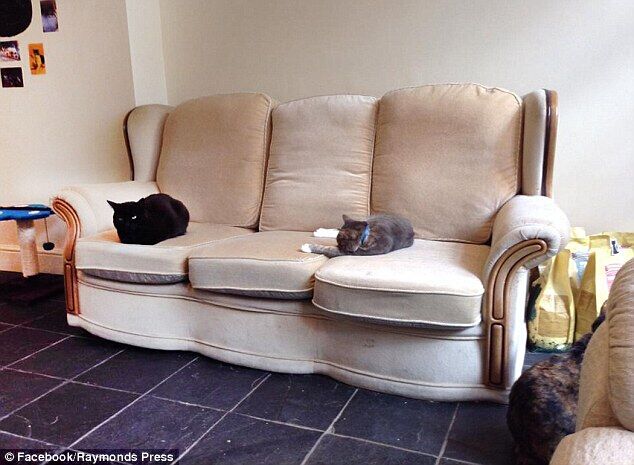
The sanitary condition at the end of the cat coffee trend is worrying.
[global Network Comprehensive report] according to the Daily Mail of October 8, people have different opinions about cat coffee. Some coffee shops with furry cats always give people a sense of comfort and comfort. In some cat cafes, the coffee is always mixed with cat hair, which deters many customers. The origin of cat coffee at the end of last century
2015-10-10 Cat Coffee flow end Sanitation condition worrying World wide Web Comprehensive
The location selection of coffee shop for entrepreneurial knowledge
Compared with traditional catering, investing in coffee shops is a promising project. Li Ka-shing, the richest man in China, once said when summing up his secrets of real estate investment: location, location or location. The success of investment and operation of coffee shops is also closely related to the location. Where to open a store, what kind of store directly affects the business performance. Commercial Mong Street becomes a coffee shop
2015-03-18 Cafe Entrepreneurship knowledge location Choice
Havica Cafe
The cafe is located at the end of Dorotheergasse, this small road is easy to find, but Hawelka is not so easy to recognize, the door of the cafe is introverted; only on the walls of the entrance are signs that read "Caf é Leopold Hawelka".
2014-05-26 Coffee News Cafe
The choice of location for coffee shop operation
Compared with traditional catering, investing in coffee shops is a promising project. Li Ka-shing, the richest man in China, once said when summing up his secrets of real estate investment: location, location or location. The success of investment and operation of coffee shops is also closely related to the location. Where to open a store, what kind of store directly affects the business performance. Commercial Mong Street becomes a coffee shop
2014-12-08 Coffee shop operation coffee shop location choice tradition catering comparison investment economy
Guatemala Antigua Flower Coffee
Coffee was really introduced into Guatemala in 1750 by Father Jesuit, where the coffee industry was developed by German colonists at the end of the 19th century. Today, most of the coffee industry's production takes place in the south of the country. There are seven main coffee producing areas in Guatemala: Antigua, Coban, Atitlan and Huehuet.
2014-08-12 Coffee knowledge Guatemala Antigua coffee
Boutique coffee recommends Guatemalan coffee
In 1750, Father Jesuit introduced coffee trees to Guatemala, where the coffee industry was developed by German colonists at the end of the 19th century. Today, most of the coffee industry's production takes place in the south of the country. Coffee production in Guatemala: the slopes of SierraMadre volcano provide ideal conditions for growing high-quality coffee beans at high altitudes.
2014-12-18 Boutique Coffee recommendation Guatemala 1750 Jesu Voight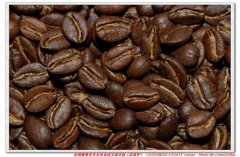
Rayloy Coffee beans from Kuanji Farm, New Caledonia, France
French New Caledonia Kuanji Farm (Rayloy) (KOUANDJI ESTATE Leroy) coffee beans, the price of this coffee is also more expensive, now much higher than Blue Mountain 1.
2014-07-03 French coffee beans single coffee beans boutique coffee beans
Choose the location of the coffee shop to open the coffee shop
Compared with traditional catering, investing in coffee shops is a promising project. Li Ka-shing, the richest man in China, once said when summing up his secrets of real estate investment: location, location or location. The success of investment and operation of coffee shops is also closely related to the location. Where to open a store, what kind of store directly affects the business performance. Commercial Mong Street becomes a coffee shop
2015-11-09 Coffee shop location selection coffee shop
A global coffee producer in Guatemala.
In 1750, Father Jesuit introduced coffee trees to Guatemala, where the coffee industry was developed by German colonists at the end of the 19th century. Today, most of the coffee industry's production takes place in the south of the country. Coffee production in Guatemala: the slopes of SierraMadre volcano provide ideal conditions for growing high-quality coffee beans at high altitudes.
2015-02-16 Global Coffee Origin Guatemala 1750 Jesu Voight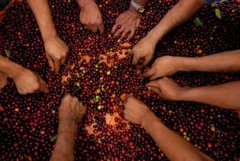
Coffee flavors from different coffee producing areas around the world coffee producing areas in Guatemala
In Guatemala in 1750, Father Jesuit introduced coffee trees to Guatemala (Guatemala), where German colonists developed the coffee industry at the end of the 19th century. Today, most of the coffee industry's production takes place in the south of the country. Coffee production in Guatemala: the slopes of SierraMadre volcano provide ideal conditions for growing high-quality coffee beans.
2015-02-15 Global different coffee origin flavor Guatemala 1750
From Kopi Luwak to Starbucks to Brand Marketing
Starbucks began its strategic transformation in the past two years, and after the trademark further simplified the image of the banshee, it accelerated the pace of expansion. It is said that there were more than 90 companies in China last year.
2014-05-23 Coffee shop operation Starbucks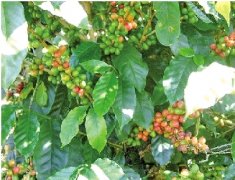
Black tea flowers flavor La Tisa Manor in the Farahan Plateau of Guatemala
Coffee was really introduced into Guatemala in 1750 by Father Jesuit, where the coffee industry was developed by German colonists at the end of the 19th century. Today, most of the coffee industry's production takes place in the south of the country. There are seven main coffee producing areas in Guatemala: Antigua, Coban, Atitlan and Huehuete.
2016-06-22 Black tea flower scent flavor Guatemala Farah plateau Larty manor coffee true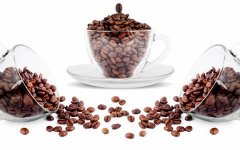
Guatemalan coffee the characteristics of Guatemalan coffee
In 1750, Father Jesuit introduced coffee trees to Guatemala, where the coffee industry was developed by German colonists at the end of the 19th century. Today, most of the coffee industry's production takes place in the south of the country. Coffee production in Guatemala: the slopes of SierraMadre volcano provide ideal conditions for growing high-quality coffee beans at high altitudes.
2015-03-26 Guatemala coffee specialty 1750 Jesu Voight Jesuit
The flavor of Guatemalan coffee beans Central and South America coffee beans Guatemala
Coffee was really introduced into Guatemala in 1750 by Father Jesuit, where the coffee industry was developed by German colonists at the end of the 19th century. Today, most of the coffee industry's production takes place in the south of the country. There are seven main coffee producing areas in Guatemala: Antigua, Coban, Atitlan and Huehuete.
2016-05-07 Guatemala coffee beans flavor Central and South America coffee real imported
Global Coffee producing area Guatemala Coffee Market
In 1750, Father Jesuit introduced coffee trees to Guatemala, where the coffee industry was developed by German colonists at the end of the 19th century. Today, most of the coffee industry's production takes place in the south of the country. Coffee production in Guatemala: the slopes of SierraMadre volcano provide ideal conditions for growing high-quality coffee beans at high altitudes.
2015-08-24 Global Coffee Origin Guatemala Market 1750 Jesu Jet J.
Coffee bean producing countries introduce Guatemalan coffee
In 1750, Father Jesuit introduced coffee trees to Guatemala, where the coffee industry was developed by German colonists at the end of the 19th century. Today, most of the coffee industry's production takes place in the south of the country. Coffee production in Guatemala: the slopes of SierraMadre volcano provide ideal conditions for growing high-quality coffee beans at high altitudes.
2015-05-14 Coffee beans country of production introduction Guatemala Coffee 1750 Jesu ITT
Brand Marketing of Kopi Luwak
Kopi Luwak (Kopiluwak Coffee is made from Indonesian coconut cat droppings, so it is called Kopi Luwak) has been on the domestic market for some time, but on the whole, it still understands the market. Although it is still the best coffee in blending, it has never seen the best place. In the last year or two, this so-called had better make people feel a little bit. Just look at the price.
2014-08-04 Coffee shop management brand marketing